Introduction
Legal documentation is not merely a formal procedure; it is a fundamental means of protecting the rights and obligations between individuals and companies. When contracts, powers of attorney, or declarations are officially documented through an authorized entity, they acquire binding legal force that protects all parties involved. With the growing number of transactions and the diversity of contractual relationships, documentation has become a genuine safeguard for reducing future disputes and strengthening trust in dealings, whether personal or commercial.
?What Is Legal Documentation
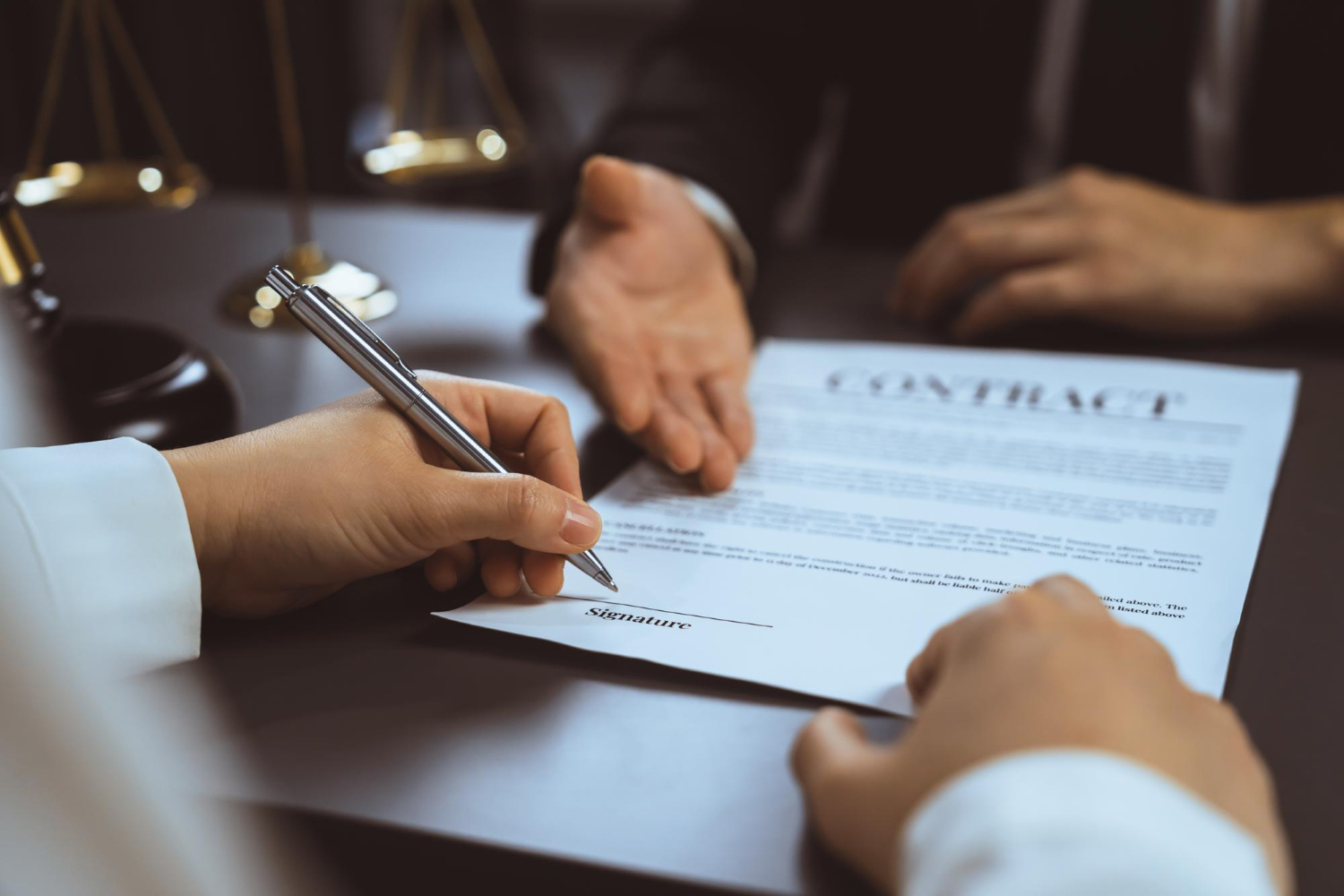
Legal documentation is the official authentication of documents and contracts through notaries authorized by the Ministry of Justice, making these documents binding and enforceable when necessary. The purpose of documentation is to ensure the accuracy of information and formally record the intent of the parties in a legally recognized manner that protects everyone from manipulation or denial.
The Importance of Documentation for Individuals
For individuals, documentation serves as a guarantee of their rights in many situations, such as
Documenting Powers of Attorney: Ensuring the validity of authorizations and protecting both the principal and the agent
Documenting Declarations: Such as debt acknowledgments or financial obligations
Documenting Personal Contracts: Such as marriage, sale, or lease agreements
These steps grant legal strength to agreements and protect them from potential disputes in the future.
The Importance of Documentation for Companies
Companies face daily challenges in managing their operations, and legal documentation helps them by:
Strengthening Trust with Partners: Through clear and officially documented contracts.
Reducing Commercial Disputes: By ensuring precise and legally recognized contract drafting.
Facilitating the Enforcement of Obligations: As documented contracts secure the company’s rights before courts and competent authorities.
Documentation is not merely an administrative step; it is an investment that protects a company’s future and reputation.
Documentation as a Means of Preventing Disputes
Many legal disputes arise due to the absence of documentation or the ambiguity of contractual terms. Proper documentation resolves these issues from the outset by providing each party with a clear and certified copy that can be referred to when necessary. It serves as the first line of defense against disagreements and helps protect both commercial and personal relationships.
The Role of an Authorized Notary
Authorized notaries have the legal authority to officially document contracts, powers of attorney, and declarations. They form an integral part of the justice system, ensuring that all procedures comply with applicable regulations. Their role enhances trust in the documents they authenticate and ensures their enforceability when required.
Conclusion
Legal documentation is not an optional step but a necessity for protecting rights and strengthening trust between parties. Whether you are an individual seeking to document a power of attorney or a personal contract, or a company aiming to safeguard its commercial transactions, proper documentation provides full legal protection and helps prevent future disputes. It is an investment in stability and transparency and a fundamental component of any successful legal transaction.